
Overview
Discover what Full Stack Development is, the technologies involved, career opportunities and why businesses prefer full stack developers for building scalable web applications.
The Complete Guide to Full Stack Development in 2026
In today's digital era, businesses need fast, scalable and secure web applications. Full Stack Development has become one of the most sought-after skills because it enables developers to build complete applications—from designing user interfaces to managing databases and deploying applications in the cloud.
Whether you're a beginner starting your programming journey or an experienced developer looking to expand your skills, understanding Full Stack Development is essential.
What is Full Stack Development?
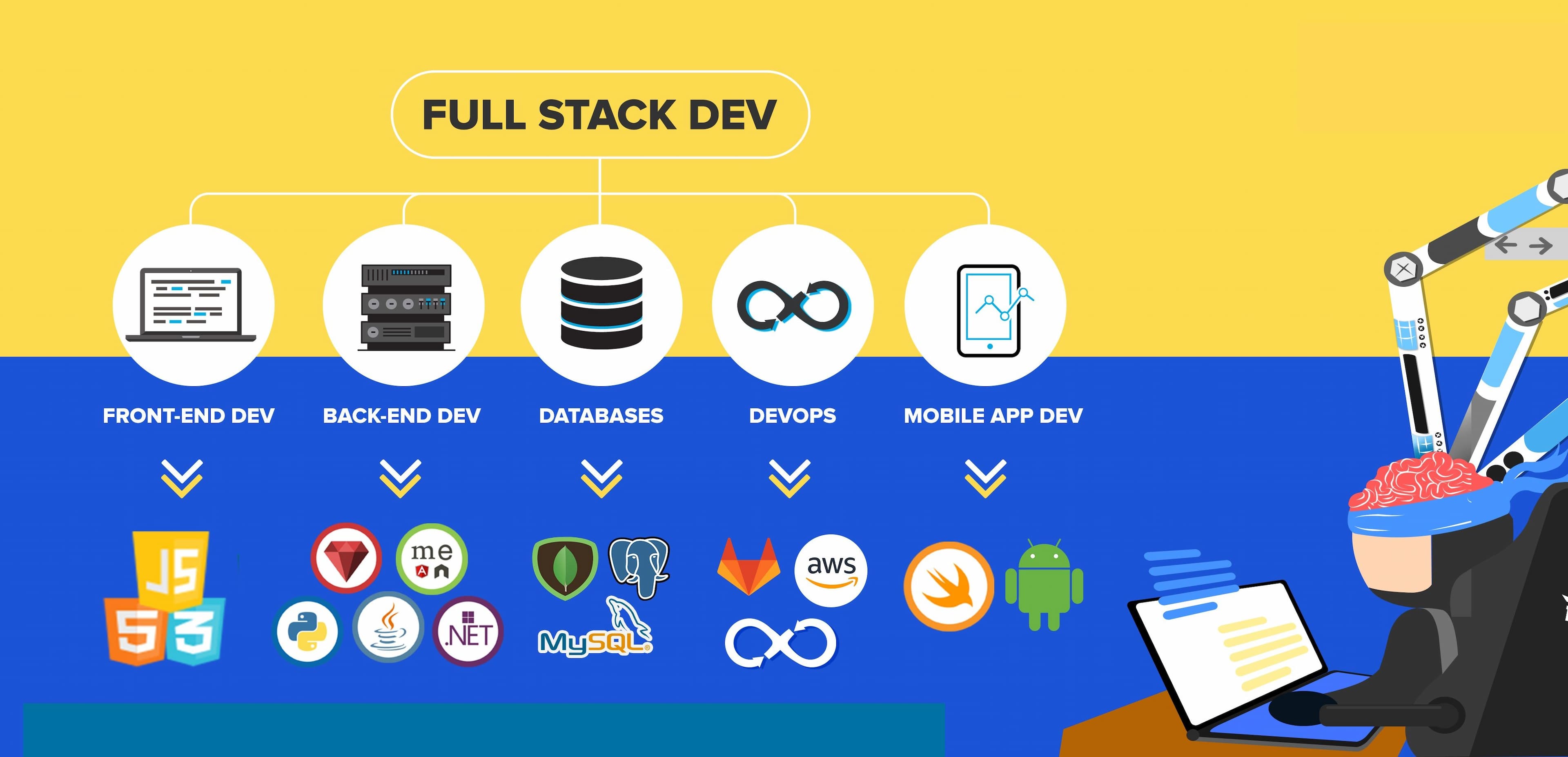
Full Stack Development refers to the process of developing both the frontend (client-side) and backend (server-side) of a web application.
A Full Stack Developer is capable of working on:
- User Interface (UI)
- Business Logic
- APIs
- Databases
- Authentication
- Cloud Deployment
- Performance Optimization
Instead of specializing in only one area, full stack developers understand the complete lifecycle of application development.
Frontend Development
Frontend is everything users interact with in a web application.
Popular frontend technologies include:
- HTML5
- CSS3
- JavaScript (ES6+)
- TypeScript
- React
- Next.js
- Vue.js
- Tailwind CSS
- Bootstrap
Responsibilities include:
- Responsive UI
- Interactive components
- User experience
- State management
- API integration
Backend Development
The backend handles business logic and data processing.
Popular backend technologies include:
- Node.js
- Express.js
- NestJS
- Python
- Django
- Java
- Spring Boot
- PHP
- Laravel
Backend responsibilities:
- Authentication
- Authorization
- REST APIs
- GraphQL
- Payment Integration
- File Upload
- Business Logic
- Notifications
Database Technologies
Every application requires reliable data storage.
Common databases include:
SQL Databases
- MySQL
- PostgreSQL
- Microsoft SQL Server
NoSQL Databases
- MongoDB
- Firebase Firestore
- DynamoDB
- Redis
Choosing the right database depends on scalability, consistency and application requirements.
APIs: Connecting Applications
Modern applications communicate using APIs.
Types include:
- REST API
- GraphQL
- WebSockets
- gRPC
APIs allow frontend applications to securely exchange information with backend services.
Authentication and Security
Security should always be a priority.
Common authentication methods include:
- JWT Authentication
- OAuth 2.0
- Google Login
- GitHub Login
- Multi-Factor Authentication (MFA)
Best security practices:
- Password Hashing
- HTTPS
- Input Validation
- SQL Injection Prevention
- XSS Protection
- CSRF Protection
- Rate Limiting
Cloud Deployment
Modern applications are hosted on cloud platforms.
Popular cloud services include:
- AWS
- Microsoft Azure
- Google Cloud Platform
- Vercel
- Netlify
- DigitalOcean
- Render
Deployment tools include:
- Docker
- Kubernetes
- GitHub Actions
- CI/CD Pipelines
Popular Full Stack Technology Stacks
MERN Stack
- MongoDB
- Express.js
- React
- Node.js
MEAN Stack
- MongoDB
- Express.js
- Angular
- Node.js
LAMP Stack
- Linux
- Apache
- MySQL
- PHP
Next.js Stack
- Next.js
- React
- Node.js
- PostgreSQL
- Prisma
Skills Every Full Stack Developer Should Learn
- HTML & CSS
- JavaScript
- TypeScript
- React
- Node.js
- Express.js
- SQL
- MongoDB
- Git & GitHub
- REST APIs
- Authentication
- Cloud Deployment
- Docker
- Testing
- Debugging
Career Opportunities
Full Stack Development opens doors to various career paths:
- Full Stack Developer
- Frontend Engineer
- Backend Engineer
- Software Engineer
- Cloud Developer
- DevOps Engineer
- Technical Architect
- Startup Founder
- Freelance Developer
The demand for full stack developers continues to grow across startups, enterprises and SaaS companies.
Why Businesses Prefer Full Stack Developers
Organizations benefit because full stack developers can:
- Build complete products faster
- Reduce development costs
- Improve team collaboration
- Solve end-to-end technical challenges
- Adapt quickly to changing project requirements
This versatility makes them valuable members of any development team.
Best Practices
Successful full stack developers follow these practices:
- Write clean, maintainable code
- Use version control with Git
- Implement secure authentication
- Optimize application performance
- Write reusable components
- Test applications thoroughly
- Document APIs clearly
- Follow coding standards
- Keep dependencies updated
- Monitor application health
Conclusion
Full Stack Development combines creativity, problem-solving and engineering expertise to build modern web applications. By mastering frontend technologies, backend frameworks, databases, APIs and cloud deployment, developers can create complete solutions that meet today's business needs.
As technology continues to evolve, full stack developers will remain among the most valuable professionals in the software industry.
Whether you're building your first website or developing enterprise-scale applications, investing in full stack development skills is a smart step toward a successful tech career.